Why Nutrition Timing Decides How Great You’ll Become
If you truly believe you can be great, this is for you. You’re already putting in the early mornings, extra reps, and unseen miles. That belief isn’t naive, it’s the foundation every champion starts with. But talent and hard work alone don’t separate those who peak and stay elite from those who flame out, get injured, or plateau. Often, the difference is something rarely discussed at the youth or amateur level: nutrition timing—not just what you eat, but when you eat it. The same calories can produce wildly different results depending on when they hit your system. Your body’s ability to use nutrients changes around training. Two athletes eating identical food can have completely different outcomes because one fuels with purpose and the other eats by accident. In a world where the margin between good and great keeps shrinking, timing your nutrition is a free, controllable edge most of your competition ignores.
Fueling Different Demands
Endurance events expose poor timing brutally. Hit the wall at mile 18 of a marathon or bonk two hours into a long ride and you’ll understand: all your fitness disappears when glycogen runs out. The solution isn’t just eating more—it’s strategic timing. Carb-load in the 24–48 hours before, then take in 30–60g of carbs per hour, or more, during efforts over 90 minutes (gels, chews, or sports drinks). Fuel before you need it so you stay strong when others fade. Practice this in training so race day becomes automatic.
Lifting sessions follow different rules. While the old “anabolic window” myth is overstated, having carbs and protein around your workout improves performance and recovery. A pre-lift meal like oatmeal with Greek yogurt and berries or rice with chicken 1–2 hours before helps you push heavier sets and get more quality reps. Post workout, a shake with fruit, chocolate milk, or a proper meal speeds repair. Consistent daily protein spread across meals matters more than any single shake, but skipping timing here slows your strength gains and leaves you dragging through the week.
Threshold sessions (tempo runs, hard intervals, lactate-threshold work) sit in a sensitive middle ground. These painful-but-productive workouts demand high carbohydrate availability. Go in under-fueled and your pace drops, effort skyrockets, and the session turns into junk instead of progress. A simple carb- rich snack (toast with honey, white rice, or a sports drink) 60–90 minutes before lets you hit target paces and actually drive adaptation. Many talented athletes quietly limit their potential by treating these sessions like easy ones.
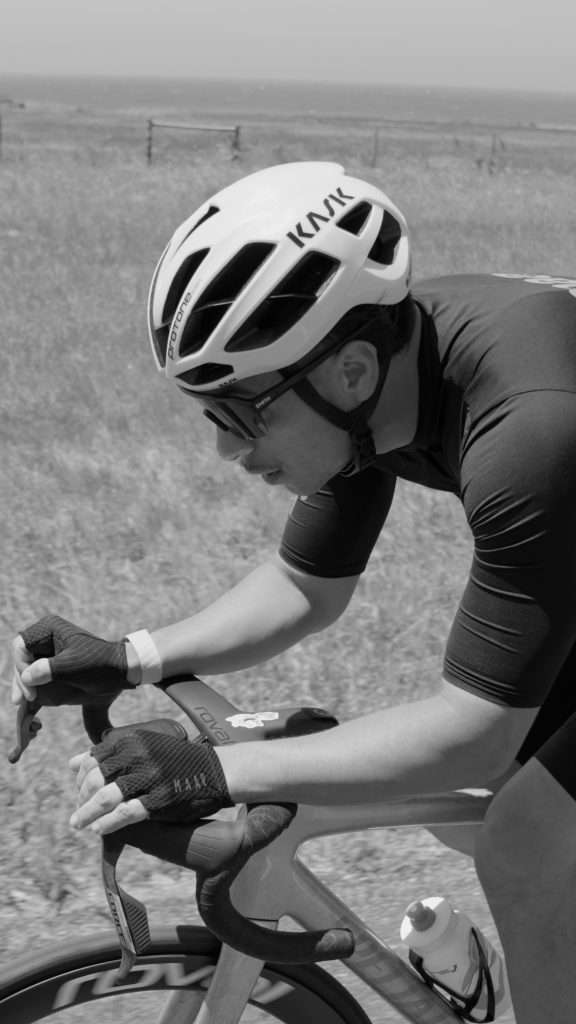
Long-duration steady-state cardio tricks people the most. Easy 90+ minute runs or rides still drain glycogen. Younger athletes often skip fueling because “it doesn’t feel that hard,” but this leads to accumulated fatigue. Sip carbs and electrolytes every 20-30 minutes on longer sessions to stay fresh, maintain form, and recover faster. Consistent fueling here prevents the slow, quiet burnout that
shows up right before key races.
The Long Game: Consistency and Longevity
Nutrition timing isn’t about optimizing one workout, it’s about stacking high-quality days into months and years of progress. Week to week, you show up ready to give 90–100% instead of dragging through under-fueled “bad days.” Month to month, it protects recovery so cumulative fatigue doesn’t derail your biggest blocks. Year to year, it builds true longevity. Chronic under-fueling contributes to hormone issues, stress fractures, stalled development, and burnout that ends dreams early. The athletes who make it aren’t always the most talented at 14 or 16, they’re the ones still healthy, motivated, and improving at 20, 25, and beyond. Young bodies recover fast, but respect the process and you’ll stay ahead. Picture yourself at 17 fueling smart through high school, dominating at 20 while peers plateau, and still progressing at 28 because you protected your body all along. That’s how champions are built.
Start simple:
- Eat a balanced carb + protein meal 1–3 hours before training.
- Fuel during anything over 45-60 minutes.
- Have a recovery meal or shake (carbs + protein) within 30–60 minutes after.
- Carry gels or drinks for long sessions and experiment in training, not races.
- Track energy, sleep, and performance to see what works.
Consistency beats perfection. Give your body the fuel it needs at the right times. Nutrition timing won’t just make individual sessions better. It will let you train harder, recover stronger, and keep progressing long after others burn out.